
In a world where everything from your fridge to your thermostat is getting a tech upgrade, the Internet of Things (IoT) dashboard is the unsung hero of modern living. Imagine a control center that puts all your connected devices at your fingertips, making you feel like a tech-savvy superhero. With just a few clicks, you can monitor, manage, and even outsmart your appliances—all while sipping coffee in your pajamas.
What Is An IoT Dashboard?
An IoT dashboard serves as a centralized interface for managing various connected devices. Users access this tool to monitor performance, track data in real-time, and make informed decisions. These dashboards display metrics such as device status, energy consumption, and system alerts.
With visual representations like graphs and charts, an IoT dashboard simplifies complex data. Users appreciate the instant insights offered by these visual aids. Executives find it beneficial for strategic planning, while homeowners enjoy enhanced control over their smart home devices.
Data integration occurs seamlessly from multiple sources, enabling comprehensive analysis. Through cloud connectivity, users can access their dashboard from anywhere, ensuring remote management of devices. Customization options allow users to tailor the interface to their needs, focusing on the most relevant information.
Businesses utilize IoT dashboards to optimize operations and streamline workflows. Monitoring equipment health reduces downtime, improving productivity. This real-time visibility helps companies identify issues before they escalate, ensuring a proactive approach.
Enhanced collaboration occurs as teams share dashboard insights. Departments can align their strategies based on shared data visualizations, fostering a unified direction. Overall, an IoT dashboard is essential for managing and optimizing the expanding landscape of connected devices.
Key Features Of An IoT Dashboard
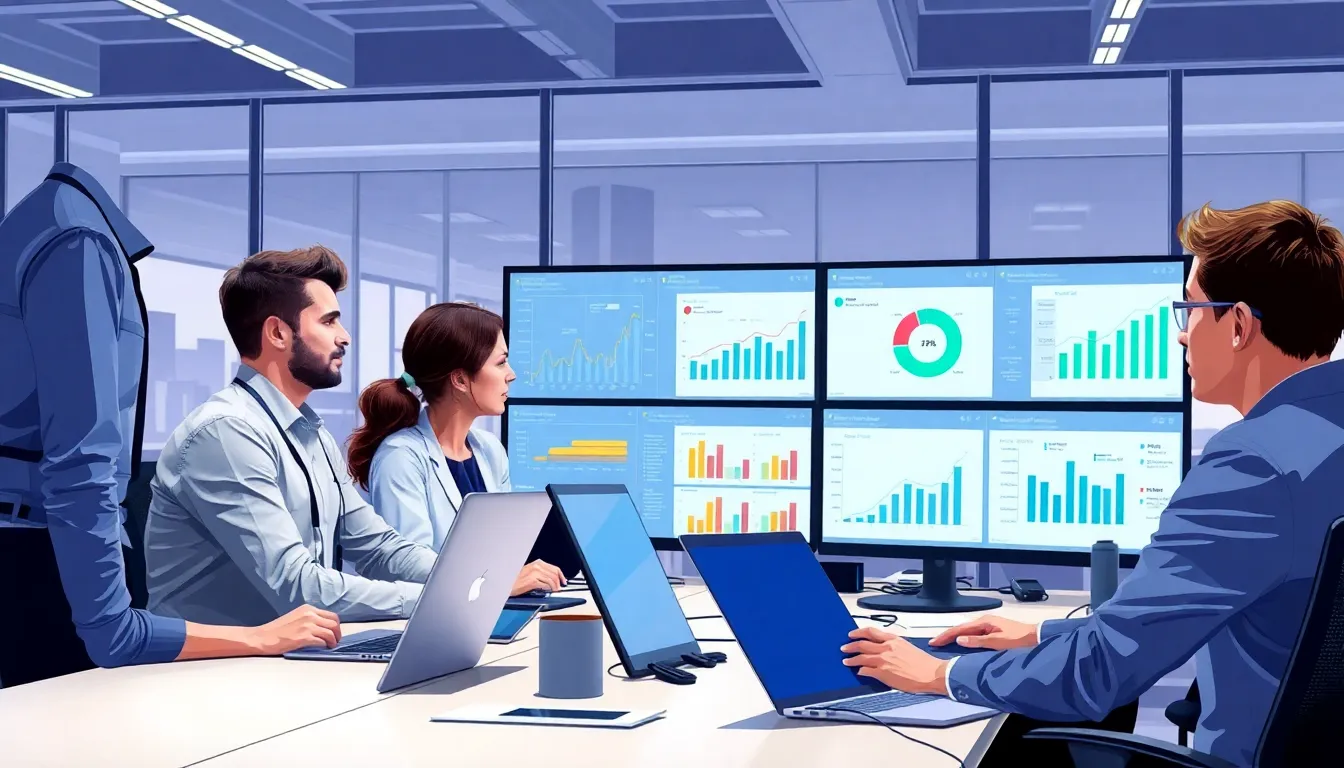
An IoT dashboard includes several key features that enhance its functionality and user experience. These features empower users to efficiently manage connected devices.
Real-Time Data Visualization
Real-time data visualization allows users to view metrics instantly. This feature includes interactive graphs, charts, and gauges, which facilitate quick comprehension of device performance. Users can monitor energy consumption, device status, and other critical parameters at a glance. Moreover, immediate updates aid in identifying issues before they escalate. Clear visual representations of data enable data-driven decision-making, especially in business contexts.
Customizable User Interface
A customizable user interface enhances usability, enabling personalization based on individual needs. Users can choose layouts, adjust widgets, and select which metrics to display prominently. This flexibility ensures relevance by showcasing only the most pertinent information. Custom themes and colors further enhance user experience. Individuals managing smart homes prefer interfaces that reflect personal preferences and simplify navigation.
Alerts And Notifications
Alerts and notifications keep users informed about important changes or issues. This feature sends timely updates regarding device malfunctions, performance dips, or safety notifications. Users can set preferences for alert types, ensuring that only crucial messages are highlighted. Immediate notification delivery aids in proactive management and timely responses to potential problems. Furthermore, integrated alerts streamline communication between team members within organizations, enhancing overall operational efficiency.
Benefits Of Using An IoT Dashboard
IoT dashboards offer numerous key benefits that enhance user experience and operational efficiency. They provide significant advantages in decision-making, productivity, and resource management.
Improved Decision Making
Real-time data visualization empowers users to make informed choices quickly. Dashboards present critical metrics clearly, allowing for immediate insights into device performance. By analyzing trends and patterns, users can identify issues before they escalate. Comprehensive data integration from multiple sources supports strategic planning, making it easier to align with organizational goals. User-friendly interfaces help present complex information simply, ensuring that even non-technical users grasp essential data.
Enhanced Productivity
An IoT dashboard significantly boosts productivity across various environments. Quick access to data facilitates faster response times during operations, reducing delays in decision-making processes. Automatic alerts keep teams informed of equipment status, minimizing downtime and preventing failures. Streamlined communications foster teamwork by sharing insights through visualizations seamlessly. Customizable interfaces adapt to specific workflows, ensuring that team members access the most relevant information. Enhanced collaboration leads to greater efficiency and improved outcomes.
Better Resource Management
Resource management improves notably with the use of an IoT dashboard. Users can monitor energy consumption, optimize usage, and identify wastage patterns effectively. Dashboards provide insights into resource allocation, ensuring assets are utilized efficiently. Comprehensive analytics help forecast needs and allocate resources accordingly. The ability to manage devices remotely further enhances control, allowing for timely adjustments to maximize performance. Through proactive management, organizations can reduce operational costs, leading to more sustainable practices.
Popular IoT Dashboard Tools
Several IoT dashboard tools stand out in the market today. These platforms enhance user experience through their robust features and integrations.
- Grafana: This open-source tool specializes in real-time data visualization, allowing users to create customizable dashboards that effectively display metrics. Grafana’s extensive plugin ecosystem supports various data sources, making it versatile for different applications.
- AWS IoT Analytics: Amazon Web Services provides powerful analytics capabilities within its IoT solutions. This tool enables users to process and analyze data from connected devices, offering insights that lead to informed decision-making.
- Microsoft Power BI: Users of this business analytics service benefit from its interactive visualizations and user-friendly interface. With easy integration capabilities, Power BI helps organizations track key IoT metrics efficiently.
- Kaa IoT Platform: This platform offers a complete solution for building and managing IoT applications. Kaa’s features include device management and data collection, making it a popular choice for companies looking to streamline their IoT operations.
- ThingSpeak: Engineers and developers favor this MATLAB-based platform for prototyping and building IoT projects. ThingSpeak allows users to visualize and analyze real-time data from sensors easily.
- Home Assistant: As an open-source home automation platform, Home Assistant provides users control over their smart home devices. Its customization capabilities cater to individual preferences, enhancing user satisfaction.
Specific tools cater to different user needs and preferences. By evaluating tool functionalities and integrations, users can choose an IoT dashboard that best aligns with their requirements. Seamless data integration and real-time visualizations remain essential factors in optimizing the management of connected devices.
The IoT dashboard stands as a pivotal element in navigating the complexities of connected devices. Its ability to provide real-time insights and streamline management processes empowers users to make informed decisions effortlessly. By enhancing productivity and promoting sustainable practices, these dashboards not only improve individual experiences but also drive organizational efficiency.
As technology continues to evolve, the significance of an effective IoT dashboard will only grow. Users must choose tools that align with their specific needs to maximize the benefits of this technology. Embracing the capabilities of IoT dashboards can transform how individuals and businesses interact with their environments, paving the way for smarter living and working spaces.


