
In a world where everything from fridges to farms is getting smarter, the Internet of Things (IoT) monitoring system stands out as the unsung hero of modern technology. Imagine a system that keeps an eye on your devices while you kick back and enjoy a cup of coffee. It’s like having a personal assistant who never takes a break—except this one doesn’t ask for a raise!
Overview of IoT Monitoring System
An IoT monitoring system integrates various devices to collect and analyze data. These systems enhance real-time tracking, ensuring critical operations run smoothly. Sensors within devices gather information, such as temperature and humidity levels, enabling swift responses to environmental changes.
Real-time alerts notify users of significant events, optimizing decision-making processes. With cloud-based storage, vast amounts of data can be easily accessed from anywhere, improving situational awareness. Many industries, including healthcare and agriculture, utilize IoT monitoring systems to streamline processes and improve efficiency.
Data analytics tools process incoming data, identifying trends and anomalies for proactive management. Automated reporting simplifies performance monitoring, allowing users to concentrate on strategic objectives. Additionally, integration with existing systems enhances functionality while maintaining cost-effectiveness.
Security remains a priority for IoT systems. Implementing encryption protocols ensures data privacy and integrity as devices communicate. Regular updates safeguard systems against potential threats, fostering user confidence.
The scalability of IoT monitoring systems accommodates growth, allowing businesses to adapt technology to evolving needs. Small enterprises and large corporations alike benefit from tailored solutions, resulting in improved operational efficiency. Custom configurations enable specific monitoring requirements, enhancing overall productivity.
A robust IoT monitoring system provides a comprehensive solution for tracking and managing devices. This technology fosters enhanced control, informed decision-making, and increased productivity across various sectors.
Key Components of IoT Monitoring Systems
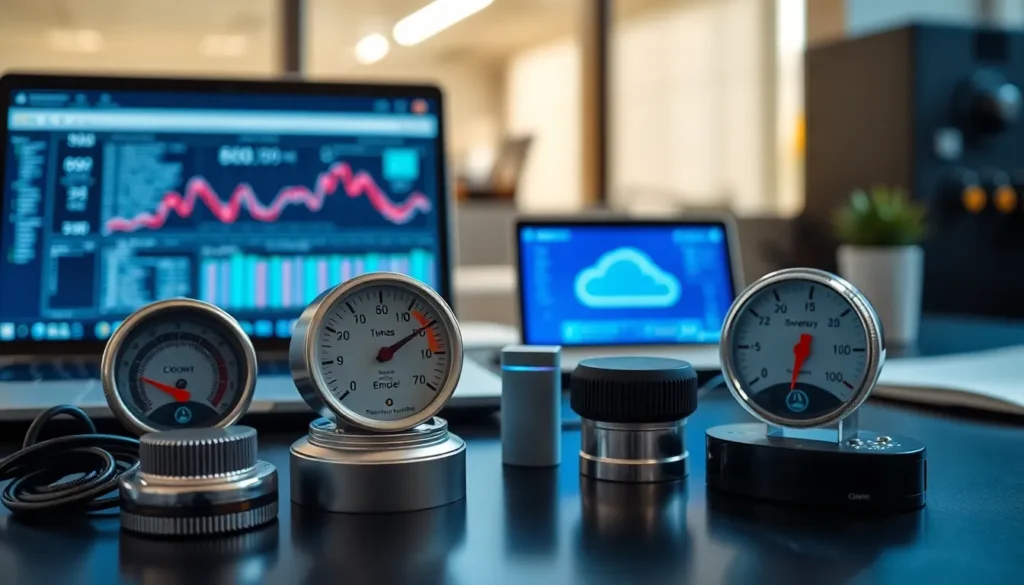
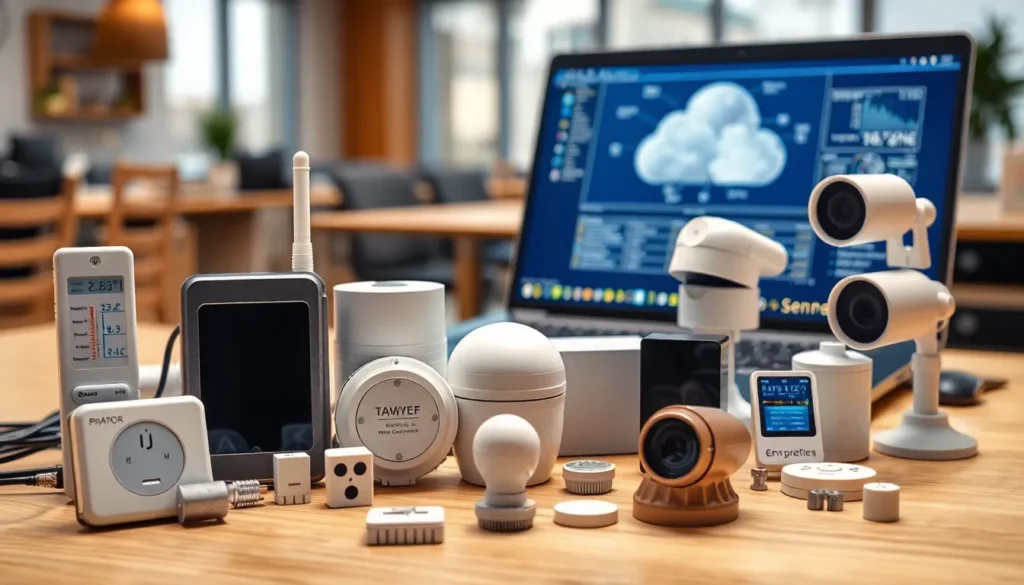
IoT monitoring systems consist of several key components that work together to ensure efficient data collection and analysis.
Sensors and Devices
Sensors and devices gather critical information, such as temperature, humidity, and light levels. Various types of sensors enable monitoring across multiple environments, from indoor spaces to agriculture fields. Devices like smart meters and cameras contribute valuable insights into system performance. Each sensor’s accuracy affects overall data reliability and real-time response capabilities. Manufacturers often design these devices for easy installation and integration into existing systems.
Data Transmission Protocols
Data transmission protocols play a vital role in the functionality of IoT monitoring systems. Protocols such as MQTT and CoAP facilitate efficient communication between devices and servers. These lightweight protocols minimize bandwidth usage, ensuring timely data transfer. Different networks, including Wi-Fi and cellular, enable connectivity for remote monitoring. Choices in protocols can impact latency, reliability, and energy consumption, which affects overall system performance.
Cloud Storage and Processing
Cloud storage and processing provide a backbone for data management in IoT monitoring systems. Cloud platforms store vast amounts of data collected from sensors, supporting scalability and accessibility. Advanced analytics capabilities allow real-time processing and insights into operational trends. Users can access data from anywhere, enhancing situational awareness. Security measures, such as encryption, protect sensitive information stored in the cloud.
Benefits of Implementing IoT Monitoring Systems
IoT monitoring systems deliver numerous advantages across various sectors. Organizations experience significant enhancements in operational capabilities and decision-making processes.
Improved Efficiency
Increased efficiency stands as a key benefit of IoT monitoring systems. These systems automate routine tasks, minimizing human error while saving time. They provide insights into operational performance, enabling teams to identify bottlenecks quickly. Streamlined workflows allow organizations to allocate resources more effectively. Data gathered in real time helps optimize processes, ensuring efficient equipment usage. Factories, for instance, can minimize downtime and maximize productivity through predictive maintenance.
Real-Time Data Analysis
Real-time data analysis transforms operational strategies. With continuous monitoring, organizations receive instant notifications about fluctuations in environmental conditions or system performance. Analytical tools examine incoming data for trends and anomalies, empowering teams to make informed decisions. Access to real-time insights also hastens response times to critical issues. For example, in agriculture, sensors can monitor soil moisture levels, prompting irrigation adjustments immediately. This adaptability drives overall performance improvement and fosters proactive management.
Challenges in IoT Monitoring Systems
IoT monitoring systems face several challenges that can hinder effectiveness.
Security Concerns
Security issues represent a significant threat to IoT monitoring systems. Unauthorized access can lead to data breaches, cyberattacks, and manipulation of devices. Protecting sensitive information relies on robust encryption methods and regular software updates. Active monitoring helps identify and neutralize potential threats. Moreover, implementing multi-factor authentication significantly reduces the risk of unauthorized access. Organizations must prioritize security assessments, ensuring all devices comply with industry standards and best practices. Continuous vigilance is essential to safeguard the integrity of the data and the devices themselves.
Data Privacy Issues
Data privacy remains a critical concern in IoT monitoring systems. Personal and sensitive information often gets collected without explicit consent from users. Mismanagement or breaches can release this data, posing risks to user privacy. Compliance with regulations such as GDPR and CCPA becomes necessary for organizations. Business strategies must include transparent data handling practices, ensuring users are aware of what information is collected and how it is used. Additionally, anonymizing sensitive data protects individuals while still allowing organizations to gain valuable insights. Prioritizing data privacy fosters trust and upholds ethical standards in IoT implementations.
Future Trends in IoT Monitoring Systems
Emerging trends in IoT monitoring systems signal significant advancements. Businesses increasingly leverage integration with AI and machine learning to enhance system efficiency and responsiveness. These intelligent technologies analyze vast amounts of data collected by sensors. They identify patterns, predict maintenance needs, and optimize operational processes in real time. Historical data influences algorithms, enabling proactive responses to potential issues, thus minimizing downtime and operational costs.
Expansion in various industries shapes the future landscape of IoT monitoring systems. Sectors such as healthcare and logistics utilize these systems to monitor patient vitals and track shipments. Agriculture benefits from advanced monitoring solutions to manage resources effectively. Retailers implement IoT to track inventory levels and improve customer experiences. Each industry witnesses tailored applications of IoT monitoring, leading to increased productivity and resource optimization. Such growth fosters innovation, ensuring that organizations remain competitive in a rapidly evolving market.


